

About Catherine
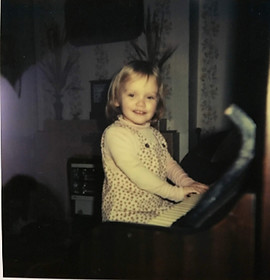
My first musical memory is sitting at my Grandma’s piano when I was around 4 or 5 years old.
After being shown middle C and how to put my five fingers over the keys, I was given space to create and explore the piano.
Slowly I began to see and hear what happened when I made patterns with the notes.
Moving by step or skipping out notes changed how the music felt and sounded; in that moment I had found what would become my life-long piano sanctuary.
The piano felt like home.
Why I started composing
When I first began teaching I discovered that many of my students found it difficult to maintain a healthy five-note hand position in each hand.
Aside from scales and exercises (that very few of my students wanted to learn), I found it challenging to find music that would work on good technique, and that they would happily practice at home.
I started writing short pieces using chord progressions used in pop songs combined with short melodic motifs that made recognising patterns in the music easier.
Learning to translate how the notes looked on the music to how they felt in their fingers, to how they sounded, built a confidence that enabled them to feel more in control of their own unique musical journeys.
By using harmonies and melodies that sounded more like the music they were used to listening to, I found more and more students were willing to work on their technique without the fear or hesitation that can develop when trying to learn something that doesn’t feel relevant or familiar.
The piece that will stay with me forever
One particular piece that will forever hold a place in my heart was composed for a particularly nervous adult student, Elaine, who returned to learning the piano after having children.
Every time she played in her lessons her hands would shake, but she had such a deep love for music that she wanted to be able to move past that and even wanted to perform in front of other people.
We talked about the kind of music she liked to listen to and wanted to play and I composed a piece that felt very personal to her and her journey.
The first time I played her piece to her tears were shed by us both.She told me how much it meant to her to have her own unique piece, and that she didn’t want anyone else to ever play it because it was her special music.
Sadly, a few months later she suddenly passed away and her family asked if I could play the piece at her funeral.
Knowing what a special place this piece had for both Elaine and her family inspired me to keep composing music for my students.
You never know what music could end up meaning for someone.
What I hope my music does for you
After teaching for over 30 years I have discovered that everyone’s musical journey and reason for learning is completely different.
There is so much music available to learn that it can be daunting knowing which direction to take that will match the needs of each individual student.
Now when I compose a piece I find it’s more of a reflection of all the reasons why I love playing the piano.
I’d like everyone who learns to experience even a small part of the joy I have each time I play!
I love that piano can be a sanctuary where you momentarily find an escape from everyday trials and tribulations.
The piano is a safe space where you can release your emotions without fear or judgement.
Learning music you recognise is an important part of anyone’s musical journey, but can carry the pressure to make it sound right.
When I compose it’s more about the feel and atmosphere that is being created rather than the strive for perfection.
Having a balance of pieces to work on and perfect alongside pieces to simply play is a lovely way to move through your musical journey.
Some days are full of challenges that have to be overcome.
Practicing difficult pieces on the piano can provide a useful distraction, or be a step too far.
I hope that playing my pieces gives you a chance to reflect, unwind and recharge.
By reframing how we think about trying to fit practising the piano into our busy lives and instead think how playing the piano can benefit us, I hope there is more of a lean towards piano for positive mental health and well-being and less of a pressure to strive towards musical perfection.
Playing the piano isn’t just about how well you play.
It’s about how playing makes you feel.